November 19, 2026
Gold has been a symbol of wealth and prosperity for centuries. Its timeless allure not only comes from its beauty but also its substantial financial value. Many individuals find themselves in possession of gold, either through inheritance or investments, and consider selling it for various reasons, such as financing a purchase, diversifying their portfolio, or simply liquidating assets. Walking into a local coin, currency, and precious metals shop with a handful of old jewelry, bullion bars, or inherited coins can feel intimidating if you have never done it before. Whether you are clearing out a jewelry box, liquidating an estate collection, or looking to trade existing pieces for something new in your personal portfolio, understanding how the evaluation and payout process works puts you in the driver's seat. A reputable buy, sell, and trade dealer relies on transparent testing, current market pricing, and straightforward communication rather than high-pressure tactics or hidden fees.
Selling precious metals locally offers distinct advantages over mailing items away to distant online refineries or accepting low offers from general pawn shops. When you work face-to-face with dedicated specialists, you watch every step of the appraisal happen right on the counter in front of you. You get immediate answers to your questions, accurate valuations based on live spot prices, and fast payment the very same day. Preparing your items ahead of time and knowing what to expect at the counter ensures a smooth, profitable transaction from start to finish.
Gathering Your Items and Checking for Markings
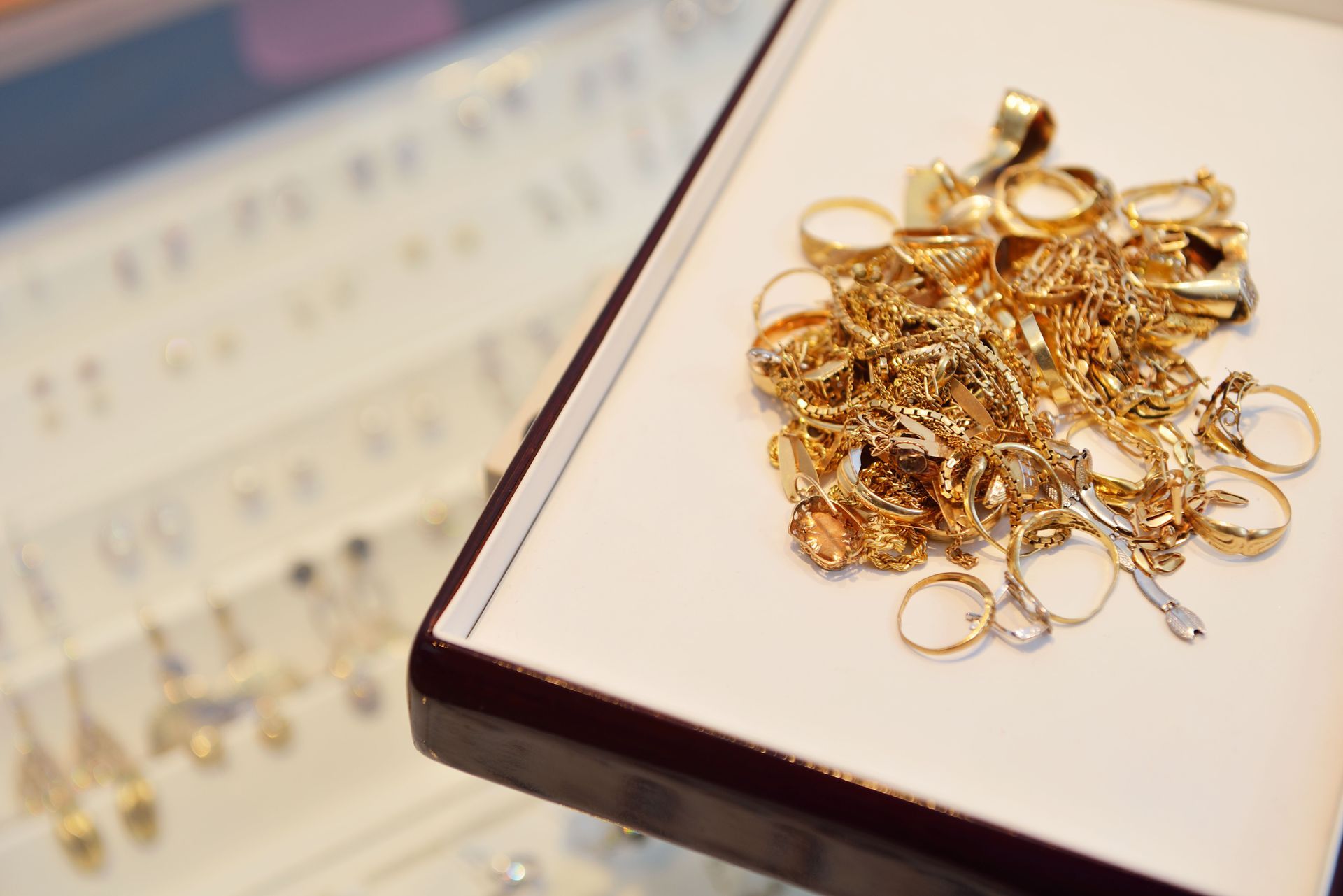
Before you make a trip to a local dealer, take some time at home to gather everything you are considering selling or trading. People are often surprised by how much value is tucked away in forgotten dresser drawers, safety deposit boxes, or inherited keepsakes. Look beyond standard wedding bands and necklaces to include broken chains, single earrings, class rings, dental gold, commemorative medallions, bullion bars, and vintage coins. Even tangled, tarnished, or damaged pieces retain their intrinsic metal value, so you never need to pay for professional cleaning or repairs before bringing them in.
Once you have collected your pieces, grab a magnifying glass or use your smartphone camera to inspect them for small stamps, known as hallmarks. Common purity markings include 10K, 14K, 18K, and 24K, though European and international pieces often use three-digit fineness numbers like 417, 585, 750, or 999. According to David Stern, 14-karat gold constitutes the majority of scrap jewelry bought and melted down by gold buyers across North America. Sorting your items into rough groups by karat weight or category—such as coins, bullion, and scrap jewelry—helps streamline the counter evaluation, though an experienced buyer will always verify the exact metal content regardless of what a stamp says.
Understanding How Dealers Value Your Gold
Knowing the difference between melt value and numismatic or collectible value helps you set realistic expectations before stepping up to the counter. Standard scrap jewelry, broken pieces, and generic bullion bars are primarily valued based on their pure precious metal content and the live spot price at the exact moment of your visit. Because pure 24-karat metal is too soft for everyday wear, jewelers alloy it with copper, silver, nickel, or zinc to add durability. A 14-karat ring, for instance, is 58.3 percent pure, meaning a dealer calculates its payout based on that specific percentage of the total weight rather than the gross weight of the entire piece.
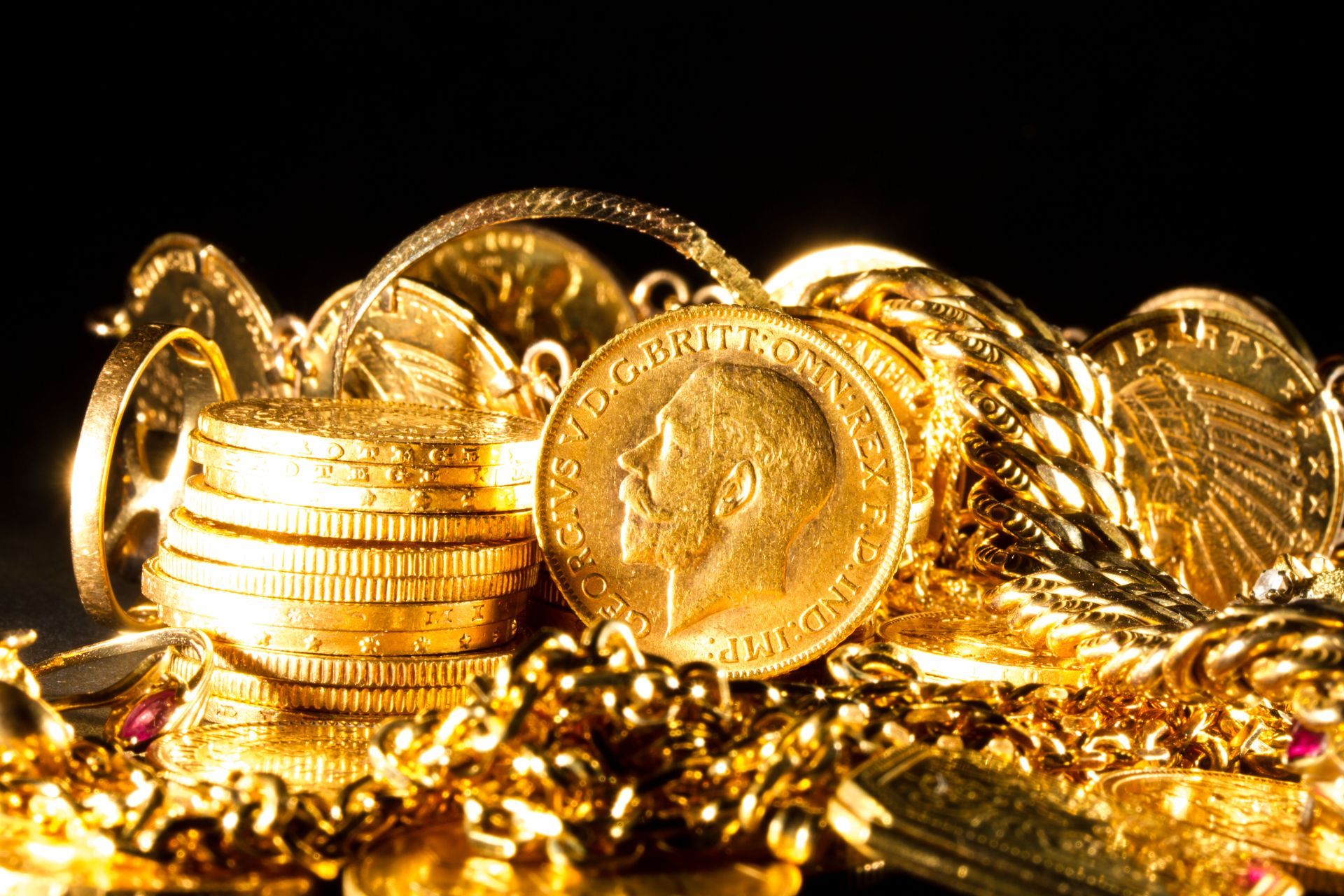
Coins, vintage watches, and designer estate pieces often carry additional value beyond their raw weight in gold. Rare mint marks, low mintage years, historical significance, and overall physical condition can push a coin's market price well above its melt value. A specialized buy, sell, and trade shop evaluates both aspects simultaneously. Instead of automatically tossing every item into a scrap bin, knowledgeable appraisers examine coins and collectibles for numismatic demand first, ensuring you receive full credit if an item holds collector appeal alongside its intrinsic metal worth.
Preparing for an In-Person Evaluation
A trustworthy precious metals dealer conducts every test in plain sight while explaining the results along the way. When you arrive at the counter, the specialist will typically begin by separating your items by apparent purity and checking for non-precious components like gemstones, watch movements, or steel clasps. Next, they will verify the metal content using non-destructive or minimally invasive methods. These commonly include electronic conductivity testers, X-ray fluorescence analyzers, magnetic checks, and traditional acid scratch testing on a jeweler's stone.
After confirming the purity of each group, the appraiser weighs the items on a state-certified, precision gram or troy ounce scale positioned where you can clearly read the display. Keep in mind that precious metals are measured in troy ounces—which equal 31.1 grams—rather than standard avoirdupois kitchen ounces of 28.35 grams. Once the exact weights are recorded, the dealer calculates a firm purchase offer based on live market rates. Because reputable local buyers operate on volume and repeat community business, their offers closely track real-time spot prices without tacking on surprise refining fees or mail-in shipping deductions.
Exploring Your Options to Sell or Trade
One of the biggest benefits of visiting a full-service buy, sell, and trade establishment is flexibility. You do not have to walk in locked into a single outcome, nor are you obligated to accept an offer on the spot. If your goal is immediate liquidity, a straightforward sale of your gold item puts cash or a check in your hand within minutes of the appraisal, eliminating the multi-day waiting periods and shipping risks associated with online mail-in kits. Whether you bring in a single broken bracelet or a massive estate collection, a well-capitalized local buyer can handle transactions of any size on the spot.
If you are an active collector or investor looking to balance your holdings, trading offers an equally compelling route. Many customers bring in inherited scrap jewelry or duplicate coins and apply that credit directly toward investment-grade bullion bars, rare numismatic coins, or paper currency available in the shop's showcase. Trading allows you to consolidate scattered, unworn items into high-liquidity assets or specific collector pieces you actually want to own, often making the exchange seamless and cost-effective in a single visit.
Completing a Safe and Confident Transaction
Before finalizing any sale, take a moment to review the breakdown of your offer and ask any remaining questions about how the numbers were calculated. Transparency is the hallmark of an established local business, and a seasoned specialist will gladly walk you through the weight, karat purity, and market rate applied to each item. Be sure to bring a valid government-issued photo ID, as reputable dealers comply with local and state regulations designed to protect both buyers and sellers in the community.
If you are located in Northwest Arkansas and ready to turn your unworn jewelry, coins, or bullion into immediate cash or exciting new additions to your collection, visit Coin & Currency Emporium at our convenient locations in Rogers or Fayetteville. With over 50 years of combined industry experience serving Benton and Washington Counties since 2007, our family-owned team provides honest, no-pressure evaluations, competitive pricing that beats national buyers, and fast same-day payments on collections of any size. Stop by one of our shops today or call us to get a free, straightforward appraisal on your gold.